
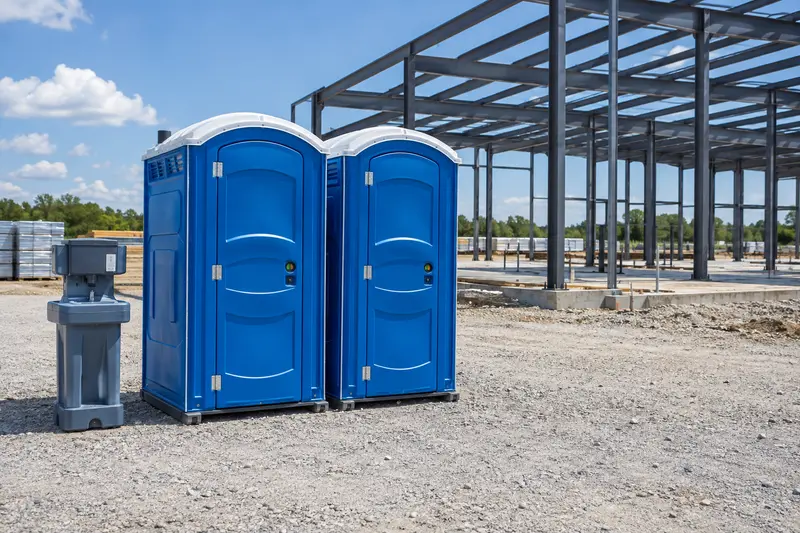
Check the position and the route separately
Describe the usable operating area and how the supplier reaches it. Include gates, shared access and relevant receiving procedures. Ask for the proposed equipment’s actual requirements rather than assuming that a cabin fitting a small space proves delivery and servicing are possible.
Keep one property contact in the loop
Have placement and supplier windows reviewed by the person controlling the location. Agree how changes and service concerns are passed to the business. Keep private access information out of public links and confirm collection before the final activity removes the people responsible for entry.
Equipment and service details to compare
Walk the route before selecting a position
Look at the entrance, turns, gates, ground surface and overhead obstacles. Distinguish the unit footprint from vehicle clearance and the usable space for doors and people. Describe uncertainties to the supplier. A photograph or map can help a discussion but does not replace a site-specific access assessment.
Plan three visits, not one
Delivery, a service visit while the property is busy and collection can face different conditions. Explain what will change between them. Leave routes available and make sure the person controlling access knows the arrangement. If an unattended delivery is proposed, agree the details privately and in advance.